AI-Powered Chatbots for Customer Support Automation
Customer expectations have changed dramatically in the digital age. Today’s consumers expect instant responses, 24/7 availability, and personalized support across multiple channels. Traditional customer service models, reliant solely on human agents, often struggle to keep up with growing demand. This is where AI-powered chatbots are transforming the landscape of customer support automation.
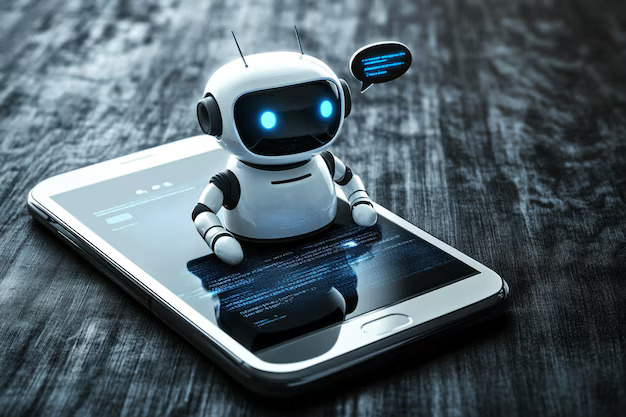
AI-driven chatbots are no longer simple scripted response tools. They use advanced technologies such as natural language processing (NLP), machine learning, and predictive analytics to understand customer intent, deliver relevant responses, and continuously improve performance. Businesses across industries are adopting these intelligent systems to reduce costs, enhance efficiency, and improve customer satisfaction.
The Evolution of Chatbots
Early chatbots were rule-based systems that followed predefined scripts. They could answer basic FAQs but failed when faced with complex or unexpected queries. These limitations often resulted in customer frustration and escalated support tickets.
Modern AI-powered chatbots are far more sophisticated. By leveraging machine learning and NLP, they can interpret conversational language, recognize sentiment, and respond contextually. Instead of relying on static decision trees, they analyze patterns in user behavior and historical interactions to generate dynamic, accurate responses.
This evolution has positioned AI chatbots as a central component of customer support automation strategies.
How AI Chatbots Work
AI-powered chatbots function through a combination of technologies working together seamlessly. Natural language processing enables the system to understand user input in conversational language rather than strict keywords. Machine learning models analyze past interactions to predict appropriate responses. Integration with backend systems such as CRM platforms, knowledge bases, and ticketing systems allows chatbots to access real-time information.
For example, when a customer asks about the status of an order, the chatbot can retrieve relevant data from the company’s database and provide a personalized response instantly. Over time, the chatbot learns from repeated interactions, improving accuracy and reducing the need for human intervention.
The automation aspect lies in the chatbot’s ability to handle repetitive tasks without manual effort. From password resets and account updates to appointment scheduling and billing inquiries, chatbots streamline processes that would otherwise consume valuable human resources.
Benefits of AI-Powered Chatbots in Customer Support
One of the primary benefits of AI-powered chatbots is 24/7 availability. Unlike human agents, chatbots do not require shifts, breaks, or downtime. This constant availability significantly enhances customer satisfaction, particularly for global businesses serving multiple time zones.
Cost efficiency is another major advantage. By automating routine inquiries, businesses can reduce operational costs while allowing human agents to focus on complex and high-value interactions. This optimized resource allocation improves overall productivity.
Scalability is equally important. During peak periods such as product launches or promotional campaigns, support requests can surge dramatically. AI chatbots can manage thousands of simultaneous conversations without compromising response speed, ensuring consistent service quality.
Additionally, chatbots provide consistent and standardized responses. Human errors, miscommunication, or inconsistent messaging can negatively impact customer trust. AI systems deliver accurate information based on centralized data sources, reducing variability.
Enhancing Customer Experience Through Personalization
Modern consumers value personalized experiences. AI-powered chatbots enhance personalization by analyzing user data such as previous purchases, browsing history, and past interactions. This allows them to tailor responses to individual preferences.
For example, if a returning customer frequently purchases a specific product category, the chatbot can proactively recommend related items or provide updates about new arrivals. This not only improves the support experience but also creates cross-selling and upselling opportunities.
Sentiment analysis further strengthens personalization. By detecting frustration or dissatisfaction in a customer’s message, the chatbot can adjust its tone or escalate the conversation to a human agent when necessary. This human-like sensitivity enhances trust and engagement.
Integration with Omnichannel Support
Today’s customer journeys span multiple channels, including websites, mobile apps, social media platforms, and messaging apps. AI-powered chatbots can be deployed across all these touchpoints, ensuring a unified support experience.
When integrated with omnichannel systems, chatbots maintain conversation context across platforms. A customer who begins a conversation on a website can continue it through a mobile app without repeating information. This seamless transition improves convenience and reduces friction.
Businesses benefit from centralized data collection across channels. Insights gathered from chatbot interactions can inform broader marketing, sales, and product development strategies.
Reducing Response Time and Improving Resolution Rates
Speed is a critical factor in customer satisfaction. Long wait times often lead to negative experiences and lost business. AI-powered chatbots provide instant responses, eliminating queues for basic inquiries.
Beyond speed, chatbots also improve first-contact resolution rates. By accessing integrated databases and knowledge repositories, they can resolve many issues without requiring escalation. When escalation is necessary, chatbots transfer complete conversation histories to human agents, reducing repetition and accelerating resolution.
This combination of speed and efficiency enhances overall support performance metrics.
Challenges and Considerations
Despite their advantages, implementing AI-powered chatbots requires careful planning. Poorly designed chatbots can frustrate users if they fail to understand queries or provide irrelevant responses.
Training data quality is crucial. Machine learning models depend on accurate and diverse datasets to function effectively. Inadequate training can result in biased or incomplete responses.
Privacy and data security are also important considerations. Chatbots handle sensitive customer information, so businesses must ensure compliance with data protection regulations and implement robust security measures.
Finally, chatbots should not entirely replace human agents. The most effective approach combines automation with human expertise. Complex issues, emotional concerns, and high-stakes interactions often require human empathy and judgment.
The Future of AI Chatbots in Customer Support
The future of AI-powered chatbots is promising. Advancements in conversational AI will enable even more natural and intuitive interactions. Voice-enabled chatbots are becoming increasingly common, allowing customers to interact through smart speakers and voice assistants.
Predictive support is another emerging trend. Instead of waiting for customers to initiate contact, AI systems can anticipate issues based on usage patterns and proactively offer solutions. For example, if a subscription is about to expire, the chatbot can send reminders and renewal options automatically.
Generative AI technologies are also enhancing chatbot capabilities. These systems can create more fluid and context-aware responses, making interactions feel increasingly human.
As AI technology evolves, customer support automation will become more intelligent, efficient, and personalized.
Conclusion
AI-powered chatbots are revolutionizing customer support automation by delivering instant, scalable, and personalized assistance. They reduce operational costs, improve response times, and enhance customer satisfaction while enabling businesses to allocate human resources more strategically.
While challenges exist, thoughtful implementation and continuous optimization can maximize the benefits of chatbot technology. By integrating AI chatbots with existing systems and maintaining a balance between automation and human interaction, businesses can create support experiences that meet modern customer expectations.
In an increasingly competitive digital marketplace, companies that leverage AI-powered chatbots effectively will not only streamline operations but also build stronger, more responsive relationships with their customers.