How to Make Your Home More Energy Efficient
Making your home more energy efficient is one of the smartest improvements you can invest in. An energy-efficient home not only reduces monthly utility bills but also increases comfort, improves indoor air quality, and lowers your environmental impact. With rising energy costs and growing awareness about sustainability, homeowners are increasingly looking for practical ways to conserve energy without sacrificing convenience or comfort.
The good news is that improving energy efficiency does not always require expensive renovations. Small changes, combined with a few strategic upgrades, can make a significant difference. This guide explains practical, effective ways to make your home more energy efficient, whether you live in an apartment, a small house, or a large family home.
Why Energy Efficiency Matters
Energy efficiency means using less energy to perform the same tasks, such as heating, cooling, lighting, and running appliances. When your home is energy efficient, it wastes less power and operates more effectively.
The benefits include lower energy bills, reduced strain on heating and cooling systems, improved comfort, and a smaller carbon footprint. Over time, energy-efficient improvements can also increase property value and make your home more attractive to future buyers.
Improve Insulation and Seal Air Leaks
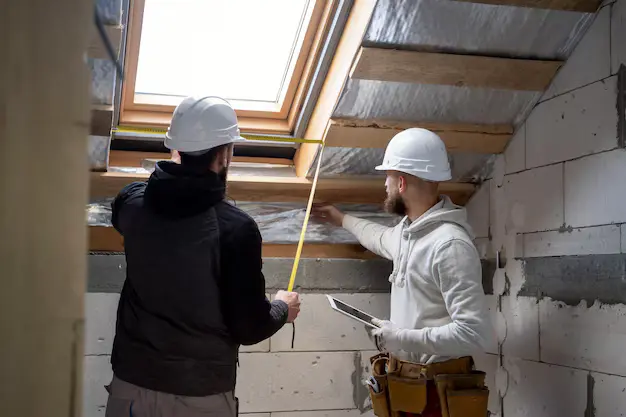
One of the biggest causes of energy loss in homes is poor insulation and air leakage. When warm or cool air escapes through gaps, cracks, or poorly insulated areas, your heating and cooling systems must work harder to maintain a comfortable temperature.
Start by sealing air leaks around doors, windows, vents, and electrical outlets using weatherstripping or caulking. Insulating attics, walls, basements, and crawl spaces helps maintain indoor temperatures throughout the year. Proper insulation keeps warm air inside during winter and blocks heat during summer, significantly reducing energy consumption.
Upgrade to Energy-Efficient Windows
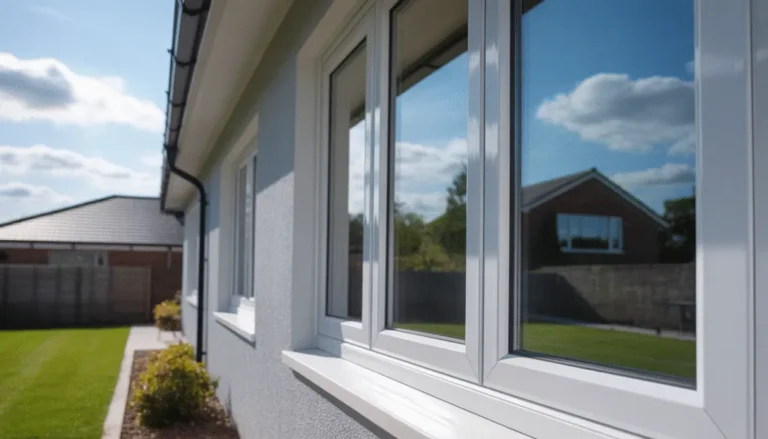
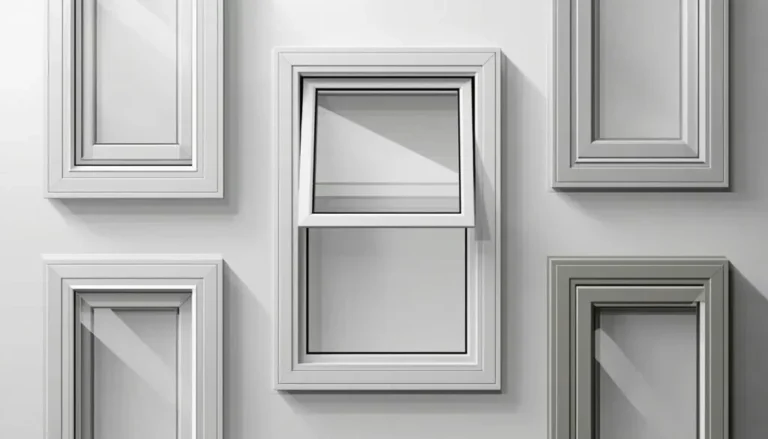
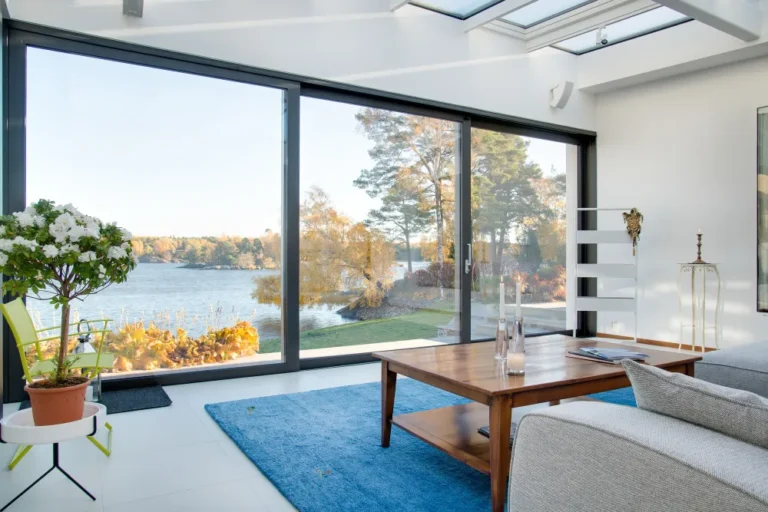
Windows play a major role in regulating indoor temperature. Older or single-pane windows often allow heat to escape in winter and enter in summer, increasing energy usage.
Energy-efficient windows, such as double- or triple-pane models with low-emissivity coatings, help reduce heat transfer. If replacing windows is not currently an option, you can still improve efficiency by using thermal curtains, window films, or insulated blinds. These alternatives help minimize energy loss and improve indoor comfort at a lower cost.
Use Energy-Efficient Lighting
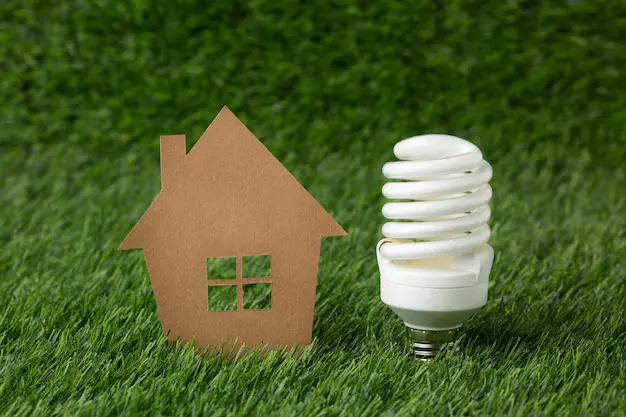
Lighting accounts for a noticeable portion of household energy use. Switching to energy-efficient lighting is one of the easiest and most affordable upgrades you can make.
LED bulbs use significantly less energy than traditional incandescent bulbs and last much longer. Replacing frequently used bulbs throughout your home with LEDs can lead to immediate energy savings. Additionally, make it a habit to turn off lights when rooms are not in use and maximize natural daylight whenever possible.
Optimize Heating and Cooling Systems
Heating and cooling systems consume the most energy in most homes. Improving their efficiency can result in substantial savings.
Regular maintenance is essential. Clean or replace air filters regularly, schedule annual inspections, and ensure vents and ducts are clean and unobstructed. A programmable or smart thermostat allows you to adjust temperatures automatically based on your schedule, reducing unnecessary energy use when you are asleep or away from home.
If your system is outdated, upgrading to a high-efficiency furnace, air conditioner, or heat pump can dramatically improve energy performance and comfort.
Choose Energy-Efficient Appliances
Household appliances such as refrigerators, washing machines, dishwashers, and dryers use energy every day. Older appliances are often far less efficient than modern models.
When replacing appliances, choose energy-efficient options that consume less electricity and water. Using appliances wisely also matters. Run dishwashers and washing machines with full loads, use cold water when possible, and avoid overusing dryers by air-drying clothes when weather permits.
Unplugging devices or using power strips to eliminate standby power can further reduce unnecessary energy use.
Reduce Water Heating Energy Use
Water heating is another major contributor to household energy consumption. Simple adjustments can make a noticeable difference.
Lowering the water heater temperature reduces energy use without affecting comfort. Insulating the water heater and exposed hot water pipes helps retain heat, allowing the system to work more efficiently. Installing low-flow showerheads and faucets reduces hot water usage while maintaining water pressure.
For long-term efficiency, consider upgrading to a high-efficiency or tankless water heater when replacement becomes necessary.
Improve Energy Efficiency in the Kitchen
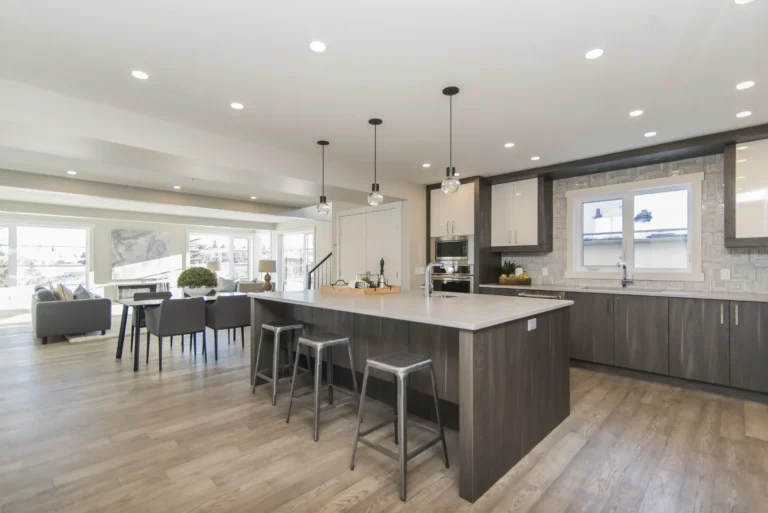
The kitchen is one of the most energy-intensive areas of the home. Cooking habits and appliance usage have a direct impact on energy consumption.
Using lids on pots, matching pot sizes to burners, and avoiding unnecessary preheating can reduce energy use while cooking. Microwaves, pressure cookers, and toaster ovens typically consume less energy than conventional ovens for small meals.
Keeping the refrigerator well-organized and set to the correct temperature helps it run efficiently. Regularly cleaning coils and ensuring door seals are tight also prevents energy loss.
Take Advantage of Natural Heating and Cooling
Using natural resources effectively can significantly reduce reliance on heating and cooling systems. During colder months, allow sunlight to enter your home through windows to provide natural warmth. In warmer months, block direct sunlight using curtains or shades to keep indoor temperatures lower.
Proper ventilation is also important. Opening windows during cooler parts of the day can reduce the need for air conditioning, while ceiling fans help circulate air and maintain comfort using less energy.
Consider Renewable Energy Options
For homeowners looking to make a larger investment, renewable energy solutions can greatly improve efficiency and reduce long-term costs. Solar panels, for example, allow you to generate your own electricity and reduce dependence on traditional power sources.
While renewable energy systems require upfront investment, they often provide long-term savings and environmental benefits. In many regions, incentives and rebates are available to help offset installation costs.
Develop Energy-Saving Habits
Technology and upgrades play a major role in energy efficiency, but daily habits matter just as much. Simple actions, such as turning off electronics when not in use, adjusting thermostats responsibly, and being mindful of energy consumption, add up over time.
Teaching all household members about energy-saving practices ensures consistent results and maximizes the benefits of any efficiency improvements.
Conclusion
Making your home more energy efficient is a practical and rewarding process that benefits both your household and the environment. By improving insulation, upgrading lighting and appliances, optimizing heating and cooling systems, and adopting smart daily habits, you can significantly reduce energy consumption and costs.
Energy efficiency is not about making one big change overnight. It is about making thoughtful improvements over time that create a more comfortable, sustainable, and cost-effective home. Whether you start with small upgrades or plan long-term improvements, every step toward energy efficiency makes a meaningful difference.